Augmented Reality (AR) has moved far beyond the world of gaming and science fiction. In 2025, it’s becoming an everyday companion, seamlessly blending digital content with our physical world. From shopping to healthcare, education to entertainment, AR is reshaping how we work, learn, and play.
What is Augmented Reality?

AR overlays digital information—such as images, animations, and data—on top of real-world environments. Unlike Virtual Reality (VR), which immerses users in a completely digital world, AR enhances the existing surroundings. The best part? AR works on smartphones, tablets, and wearable devices, making it highly accessible.
AR at Work: Boosting Productivity and Collaboration
The workplace is one of the biggest beneficiaries of AR technology. Employees are no longer restricted to traditional manuals or flat-screen instructions. Instead, AR provides real-time, interactive guidance.
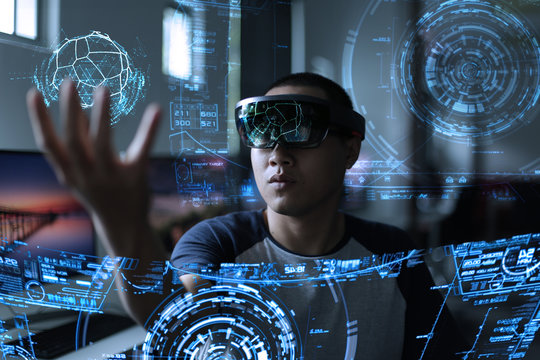
- Remote Collaboration: AR-powered apps allow teams to collaborate on 3D models, even if they’re across the globe. For example, engineers can visualize machinery and make design changes instantly, cutting down time and costs.
- On-the-Job Training: Instead of reading long manuals, workers in industries like aviation, construction, and healthcare can receive hands-on AR training. A surgeon, for instance, can practice complex operations using AR simulations before performing them in real life.
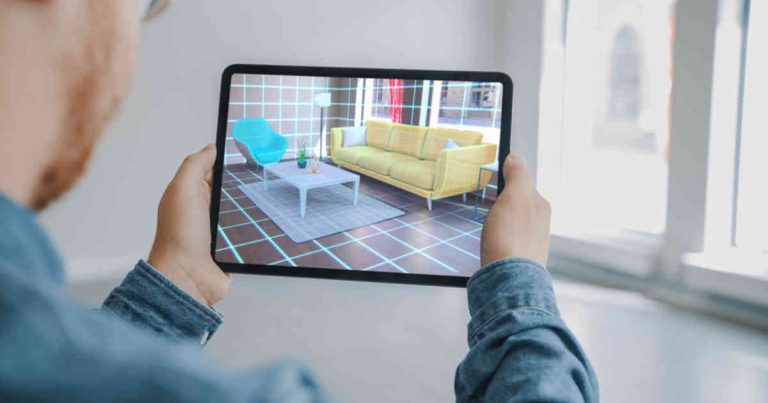
- Retail & Business: Companies are using AR to improve customer experiences. Furniture retailers allow customers to “place” virtual sofas in their living rooms, while fashion brands let buyers try on clothes or accessories digitally before purchase.
AR in Education: Learning Made Interactive
Imagine students studying planets not through textbooks, but by walking around a 3D model of the solar system right in their classroom. That’s the power of AR.
- Immersive Learning: AR turns lessons into experiences, making it easier for students to grasp complex concepts.
- Skill Development: From medical students practicing anatomy to architects designing buildings, AR offers real-world practice without real-world risks.
- Accessibility: AR tools break down barriers for differently-abled learners, offering visual, auditory, and tactile learning experiences tailored to their needs.
AR in Everyday Play and Entertainment
Entertainment is one of the most exciting playgrounds for AR. The success of Pokémon Go showed the world how AR can turn sidewalks into gaming zones. In 2025, AR has expanded into multiple areas of fun and leisure.
- AR Gaming: Games are now more immersive, blending virtual characters with real-world environments.
- Movies & Sports: Viewers can enjoy enhanced experiences like real-time stats hovering over athletes or interactive AR storylines in films.
- Social Media Filters: Snapchat, Instagram, and TikTok use AR filters to make content creation engaging and shareable.
AR in Daily Life: Beyond Work and Play
AR isn’t just limited to offices or entertainment—it’s woven into daily living.
- Navigation: AR-powered maps provide real-time walking directions overlaid on streets.
- Shopping: From trying out virtual makeup to visualizing how new paint looks on your walls, AR makes decision-making easier.
- Healthcare: AR is helping patients understand diagnoses better, guiding physical therapy exercises, and even reducing stress with calming interactive experiences.
The Road Ahead
The evolution of AR is only just beginning. With the rise of lightweight AR glasses, 5G connectivity, and AI integration, AR will continue to merge digital and physical realities seamlessly. The day isn’t far when AR becomes as common as smartphones are today.
Final Thoughts
AR is no longer a futuristic fantasy—it’s an everyday tool enhancing both work and play. It empowers businesses, enriches education, entertains millions, and simplifies daily life. As AR continues to evolve, our real world will never be the same again—it will always be augmented.