


In today’s fast-paced digital economy, technology has become the backbone of business success. From small startups to large enterprises, companies are leveraging innovative tools to streamline operations, enhance customer experiences, and open new revenue streams. As we move through 2025 and into the future, the role of technology in business is shifting from being a support system to a driving force of growth.
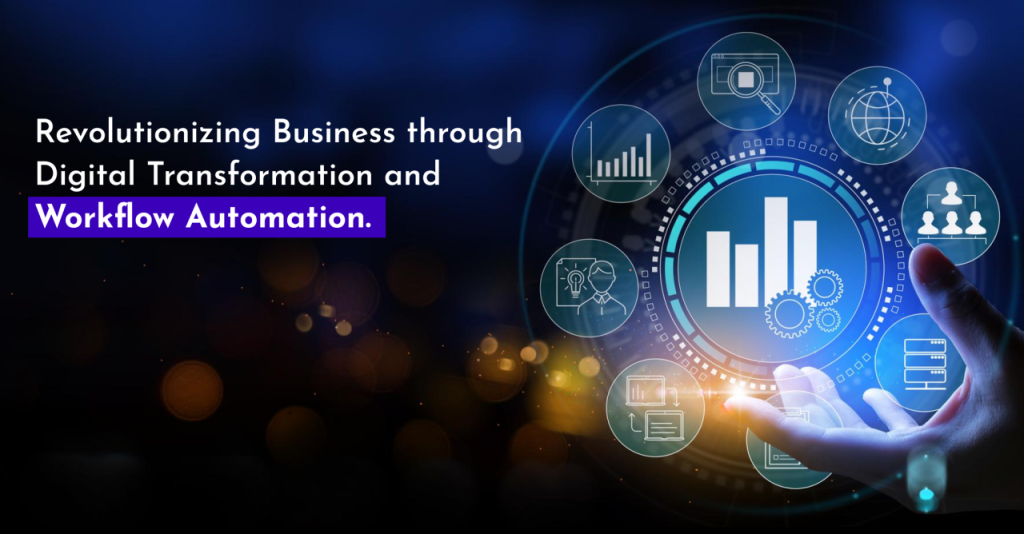
1. Automation and Artificial Intelligence (AI) for Efficiency
Businesses are increasingly relying on automation and AI to handle repetitive tasks, reduce human error, and save time. AI-powered chatbots, for instance, can manage customer queries 24/7, while automated accounting software ensures accurate financial records. Beyond efficiency, AI is now used for predictive analytics—helping companies forecast market trends, understand consumer behavior, and make data-driven decisions that improve profitability.
2. Cloud Computing: The Backbone of Modern Business
Cloud computing has revolutionized how businesses store, access, and share data. Instead of relying on expensive infrastructure, companies can now use scalable cloud solutions to manage their operations from anywhere. This has not only reduced IT costs but also increased flexibility. Businesses can expand globally without worrying about physical servers, making collaboration across borders seamless and secure.
3. Data Analytics for Smarter Decisions
Every business generates massive amounts of data daily—sales figures, website visits, customer feedback, and more. With advanced analytics tools, companies can convert this raw data into actionable insights. For example, e-commerce businesses can track buying patterns to offer personalized product recommendations, while manufacturing firms can use analytics to predict equipment failures and prevent costly downtime. Data is no longer just a record; it is the new currency for smart decision-making.
4. Digital Marketing and Customer Engagement
In 2025, digital marketing is no longer optional; it is essential. Social media platforms, SEO, email campaigns, and influencer partnerships allow businesses to connect directly with their audience. Advanced targeting features help brands reach the right customers at the right time, maximizing return on investment. Moreover, interactive marketing tools like AR-based product try-ons and AI-driven personalization are making customer engagement more dynamic and meaningful.
5. Cybersecurity: Protecting Business Integrity
With the rise of digital platforms comes the increased risk of cyber threats. Businesses of all sizes are investing in advanced cybersecurity measures to protect sensitive data from hackers. AI-based threat detection, multi-layer authentication, and blockchain technology are becoming standard security practices. For customers, knowing their data is secure builds trust, which is critical in today’s digital-first marketplace.
6. Remote Work and Collaboration Tools
The post-pandemic era has normalized remote and hybrid work models. Businesses are adopting collaboration platforms like Slack, Microsoft Teams, and Zoom to ensure teams remain productive regardless of location. Virtual project management tools help monitor progress, while cloud-based solutions ensure everyone has access to updated information in real time. This flexibility not only enhances productivity but also attracts talent from global markets.
7. Green Technology and Sustainability in Business
Sustainability is no longer just a trend—it is a necessity. Businesses are adopting eco-friendly practices supported by green technology. From energy-efficient cloud data centers to digital tools that reduce paper usage, companies are aligning innovation with environmental responsibility. Customers are more likely to support brands that prioritize sustainability, making it both a moral and business advantage.
Conclusion
Technology is no longer just a tool—it is a catalyst for business transformation. Companies that embrace innovation in AI, cloud computing, data analytics, digital marketing, and cybersecurity are positioning themselves for long-term success. As the business landscape evolves, adaptability and tech-driven strategies will determine which businesses thrive and which fall behind.
In 2025 and beyond, the future of business belongs to those who see technology not as an expense, but as an investment in growth, resilience, and innovation.


